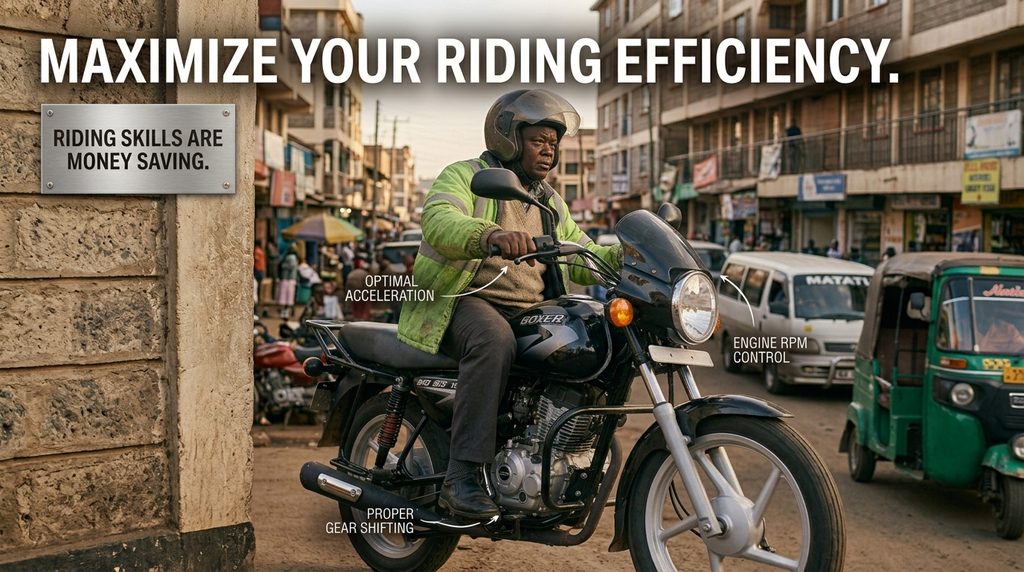
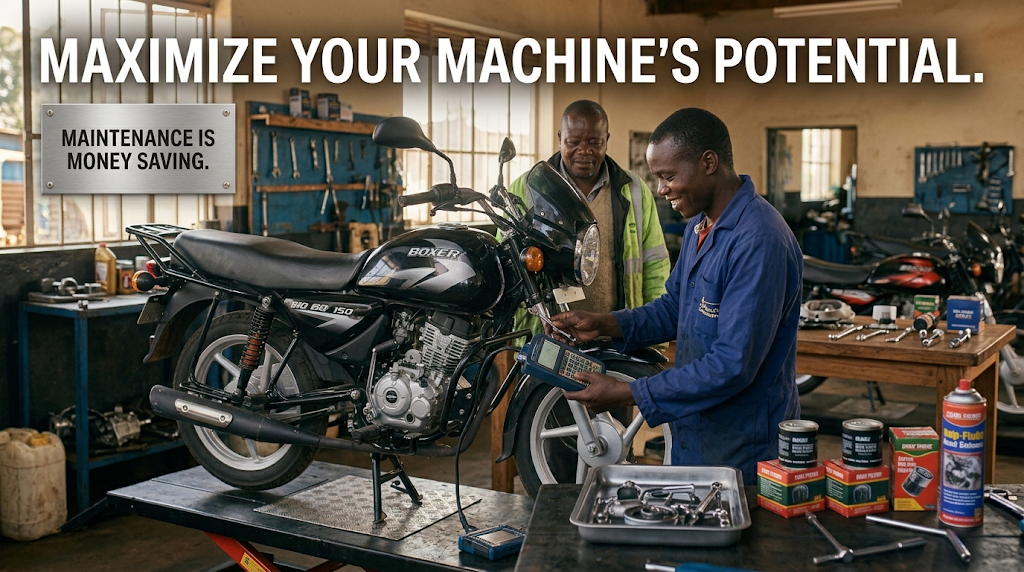
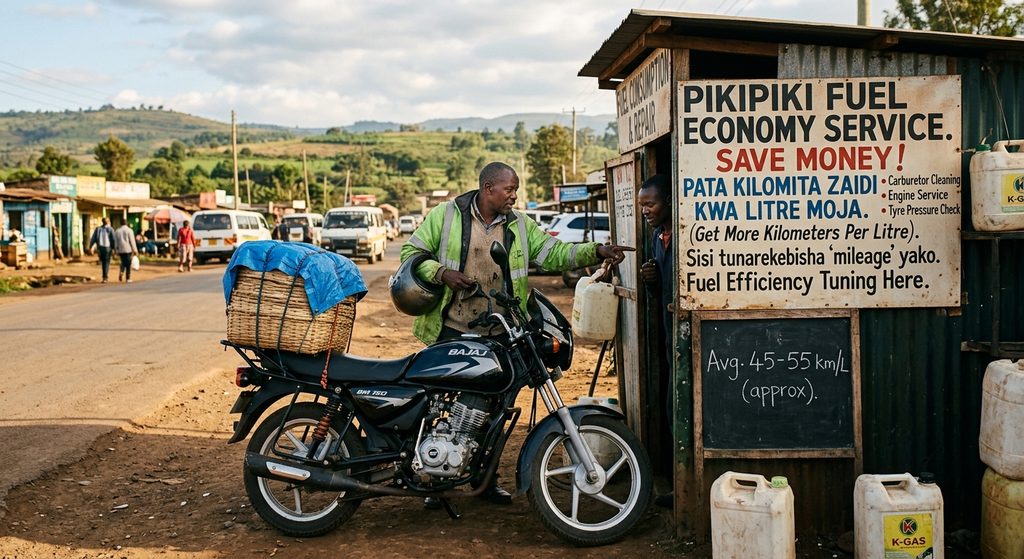
Fuel is one of your biggest daily operational costs, but you can easily control it. In order to Maximize Fuel Efficiency and save money, there are two main approaches. 1. Adopting smooth riding habits 2. Keeping your bike properly maintained By putting these two strategies into action, you can cut your daily expenses, maximize your savings, and keep more hard-earned profit in your pocket every single day.
Adopting smooth riding habitsfor fuel efficiency
Avoid Sudden Acceleration and Hard Braking
Gently roll on the throttle when pulling away from stages or traffic lights. Twisting the throttle aggressively pumps excess fuel into the engine, wasting it through the exhaust. When taking off from a stage, bus stop, or traffic light, open the throttle gradually as speed builds. Steady acceleration saves 20% to 30% more petrol in stop-and-go city traffic.
Anticipate traffic flow ahead to coast smoothly instead of slamming on the brakes. Hard braking wastes the energy and fuel used to build speed. Scan 50 to 100 meters ahead for slowing traffic, red lights, or speed bumps. Releasing the throttle early lets engine braking slow the bike naturally, saving fuel, preserving brake pads, and ensuring a smoother ride.
Cut the Engine During Idle (Traffic Jams & Waiting)
Never leave your engine idling while stuck in heavy traffic or waiting for passengers. An idling engine gets 0 km/L, burning precious petrol without making progress in heavy traffic like Nairobi’s CBD, Thika Road, or Mombasa’s ferry queues. Idling also builds heat in air-cooled engines, degrading oil faster and causing internal wear without adding any mileage.
If you are stopped for more than 30 seconds, switch off the engine. Many riders mistakenly believe restarting uses more fuel than idling. Modern motorcycle engines require only a fraction of a second’s worth of fuel to start. Turn off the ignition if waiting over 30 seconds at intersections or stage pick-ups. Cutting the engine during short stops saves 10% to 15% on daily fuel, boosting shift earnings.
Maintain Economic Speeds (40–60 km/h)
Pushing your motorcycle past 60 km/h creates heavy air resistance, causing the engine to burn petrol much faster. As speed increases, aerodynamic drag grows exponentially. Riding at 80 km/h requires far more engine power than at 50 km/h, forcing higher RPMs and heavy fuel consumption. On highways like the Nairobi Expressway, Thika Superhighway, or Mombasa Highway, speeding saves only a couple of minutes while burning fuel at a drastically higher rate.
Cruising at a steady 40–60 km/h is the optimal speed range for maximum distance per liter. Small-capacity engines (100cc–150cc used for Boda Bodas) reach peak fuel efficiency in top gear at 40–60 km/h. In this “sweet spot,” low-to-mid RPMs deliver optimal torque to maintain momentum without overworking the motor. Cruising steadily within this range—avoiding constant speed fluctuations—boosts fuel mileage by up to 20% to 25% compared to riding at top speed.
Use Gears Correctly
Shift up smoothly to higher gears as soon as your speed allows without straining the engine. To maximize fuel efficiency, keep the engine in higher gears at moderate RPMs. Once moving with stable momentum, shift up to 3rd, 4th, or 5th gear. Avoid “lugging”—shifting too early causes knocking, straining, and extra fuel consumption. Listen to the engine: shift up as acceleration levels out, and shift down smoothly before it struggles under heavy passenger loads.
Choose the Smooth Line on Potholes
Repeatedly slamming into potholes or rough patches forces you to brake hard and accelerate again, wasting fuel. When you hit a pothole or rough road, slamming on the brakes drops speed to zero, forcing you to twist the throttle wide open to regain momentum. This cycle of hard braking and heavy acceleration rapidly drains your tank while damaging shock absorbers, rims, and frames. Beyond wasting petrol, these impact repairs eat directly into daily profits.
Look ahead and pick a smooth line through rough roads to keep your momentum. Momentum is your best friend for saving fuel. Look 20 to 30 meters ahead instead of right in front of your wheel. Spotting potholes, corrugations, and gravel early lets you choose a smooth path in advance. Maintaining a steady speed with gradual steering avoids panic braking and hard re-acceleration, reducing engine strain and saving significant fuel all day.
Keeping your bike properly maintainedand maximize Fuel Efficiency
Tire Pressure
Check tire pressure weekly and maintain the correct PSI, especially when carrying passengers. Under-inflated tires widen their contact patch, creating extra friction against the road. Running even a few PSI low forces the engine to burn more fuel just to maintain normal speed. With heavy passengers or cargo, soft tires compress further against the rim, doubling drag, overheating the rubber, and accelerating tread wear.
Why correct PSI transforms your fuel economy. Maintaining proper pressure (28–32 PSI front, 32–36 PSI rear when loaded) minimizes rolling resistance, allowing the bike to glide with less throttle. Checking pressure weekly prevents unseen air loss, improves steering control, protects rims from potholes, and boosts fuel mileage by 5% to 10%.
Chain Cleanliness & Tension
Clean off dirt and sand regularly, lubricate the chain, and adjust slack. Boda Bodas routinely navigate dusty feeder roads, mud, and wet tarmac, quickly coating the drivetrain in grit. Sand and dirt mix with old grease into an abrasive paste that grinds down sprockets and stiffens chain links. Over time, an unadjusted, stretched chain slaps against the swingarm and jumps unevenly on sprocket teeth.
A dry, dirty, or loose chain absorbs engine energy before it reaches the rear wheel, wasting power and fuel. Your engine generates power that travels through the gearbox to the front sprocket, along the drive chain, and finally to the rear wheel. When the chain is bone dry, caked in mud, or hanging loose:
Friction Losses: Dry, stiff links resist bending around the sprockets, forcing the engine to work harder just to turn the drivetrain.
Power Slop: A loose chain absorbs energy through excessive slack and vibration instead of directly transferring engine power into forward motion.
Sprocket & Chain Wear: Running an unmaintained chain destroys both front and rear sprockets prematurely, leading to expensive replacements.
Air Filter Cleanliness
Clean the air filter frequently—especially after dusty off-road trips—and replace it when worn. Riding on dusty feeder roads, murram tracks, and construction zones forces fine dust into the engine intake. The air filter traps this dirt before it reaches the combustion chamber. Over time, accumulated dust and oil residue clog the filter, blocking fresh airflow into the carburetor or fuel injection system.
A dust-clogged air filter chokes the engine, creating a “rich” fuel mix that wastes petrol. For an engine to burn fuel efficiently, it requires a precise ratio of air to petrol (roughly 14.7 parts air to 1 part fuel). When the air filter becomes clogged:
Air Starvation: The engine cannot draw in enough oxygen during the intake stroke.
Over-Rich Mixture: Because the vacuum pressure inside the carburetor remains high while air intake is restricted, the engine compensates by pulling in proportionally more petrol from the float bowl.
Unburnt Fuel Exhaust: This creates a heavy, fuel-rich mixture. The engine loses power, struggles to accelerate under passenger loads, runs hotter, and dumps unburnt petrol straight out of the exhaust pipe as black smoke.
Engine Wear: In severe cases, microscopic dust particles bypass a filthy filter and act like sandpaper inside the cylinder, wearing down piston rings and scoring cylinder walls.
Spark Plug Care
Clean carbon deposits, adjust gap spacing, and replace the spark plug periodically. The spark plug ignites the compressed air-fuel mixture thousands of times per minute. Harsh environments, poor-quality petrol, or overly rich fuel leave a black carbon crust on the electrodes. Over time, this carbon layer blocks the electrical current required for a clean, powerful spark.
A dirty or worn spark plug creates a weak spark, leading to incomplete combustion and wasted fuel. When the spark plug fails to deliver a crisp, hot spark:
Incomplete Fuel Burn: A weak or delayed spark fails to ignite all the petrol mist inside the cylinder. Unburnt or partially burnt fuel is swept straight out into the exhaust system without producing any engine power.
Engine Misfires & Power Loss: You will feel the bike hesitate, stutter under acceleration, or struggle when climbing hills with a heavy passenger, forcing you to twist the throttle wider and dump even more petrol into the engine.
Hard Starting: A fouled plug makes the bike difficult to kickstart in the morning, wasting fuel during repeated starting attempts and putting excess strain on the battery.
Carburetor Tuning
Keep the carburetor clean and adjust the air-fuel mixture regularly. The carburetor acts as the motorcycle’s “lungs and heart,” mixing liquid petrol with fresh air into a fine mist for clean ignition. Over time, varnish deposits, water, and fine dirt from petrol accumulate in the float bowl, clogging its microscopic brass jets.
Prevents poor fuel atomization and ensures the exact right mix of petrol and air reaches the cylinder.
When a carburetor is dirty or incorrectly tuned, two costly problems occur:
Running Too Rich (Excess Petrol): If the fuel mixture screw is opened too far or jets are worn, the carburetor delivers far more petrol than the air can burn. Symptoms include a heavy petrol smell, dark black smoke from the exhaust, soot-covered spark plugs, and terrible fuel economy.
Running Too Lean (Excess Air): If jet nozzles are partially clogged with dirt or water, the mixture receives too little petrol. This causes engine overheating, hesitation when accelerating from stages, loss of power under heavy loads, and severe long-term valve damage.
Poor Atomization: A clogged nozzle sprays coarse liquid droplets instead of a fine vapor cloud. Large fuel droplets fail to ignite completely, leaving raw petrol unburnt and blowing straight out the exhaust.
At Maxy Group, there are many mechanics who are skilled and experienced!! They can provide quality maintenance, helping to maximize your vehicle’s fuel efficiency.
Engine Oil Changes
Change engine oil every 1,000–1,500 km. Old, degraded oil loses viscosity and increases internal metallic friction, dragging down power transfer, overheating the engine, and increasing fuel consumption.
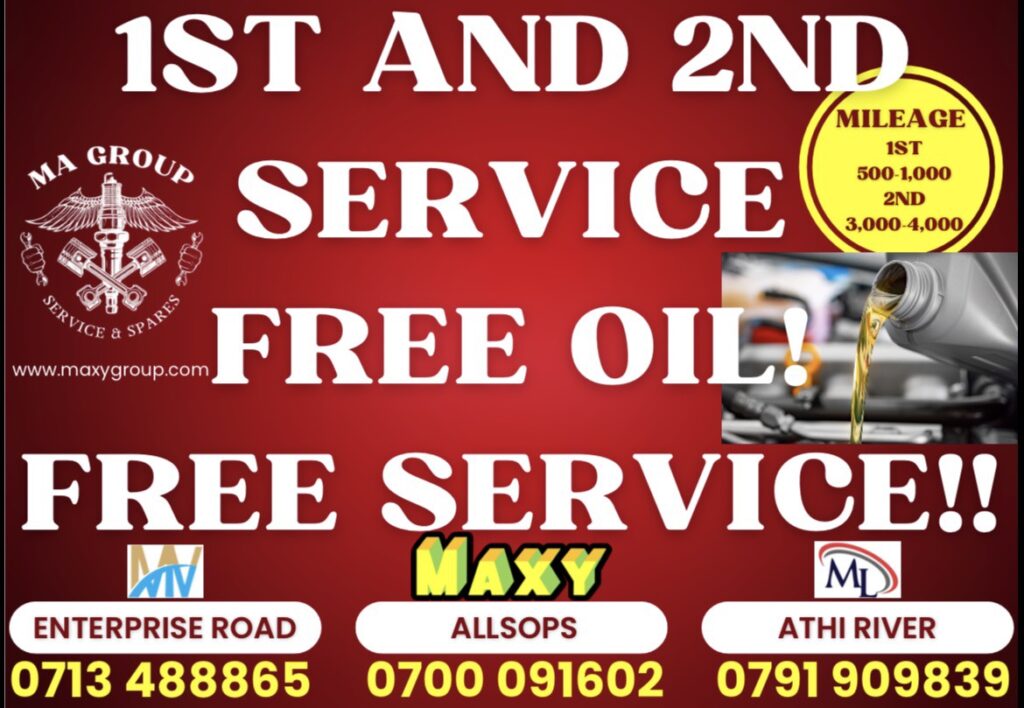
At MAXY Group, your first and second services and oil changes are free!!
Sales, Spare Parts and Service!
Your One Shop for Honda, TVS, and Bajaj!
We provide complete Sales, Genuine Spare Parts, and Expert Service for all three top brands under one roof:
Sales: Honda, TVS, and Bajaj motorcycles available.
Spare Parts & Oil: 100% genuine spare parts and manufacturer-recommended engine oils for all three brands. Below is our product page, so you can check our line-up